House Passes Bipartisan Housing Bill Targeting Corporate Homebuyers
The House delivered a massive bipartisan victory Wednesday, passing a housing bill designed to expand homeownership, lower costs, and limit institutional investors from snapping up single-family homes.The amended 21st Ce...
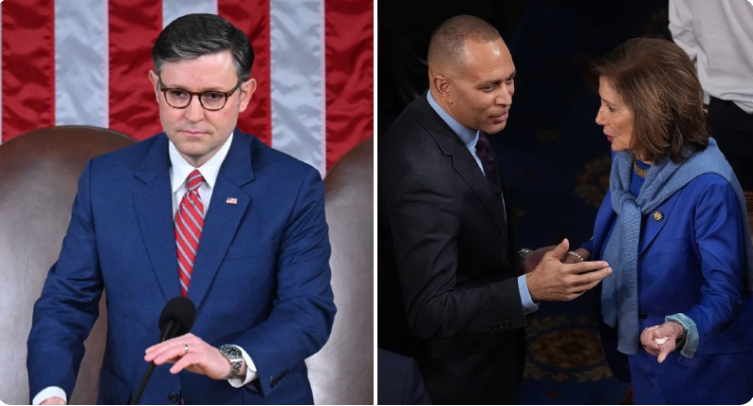
The House delivered a massive bipartisan victory Wednesday, passing a housing bill designed to expand homeownership, lower costs, and limit institutional investors from snapping up single-family homes.
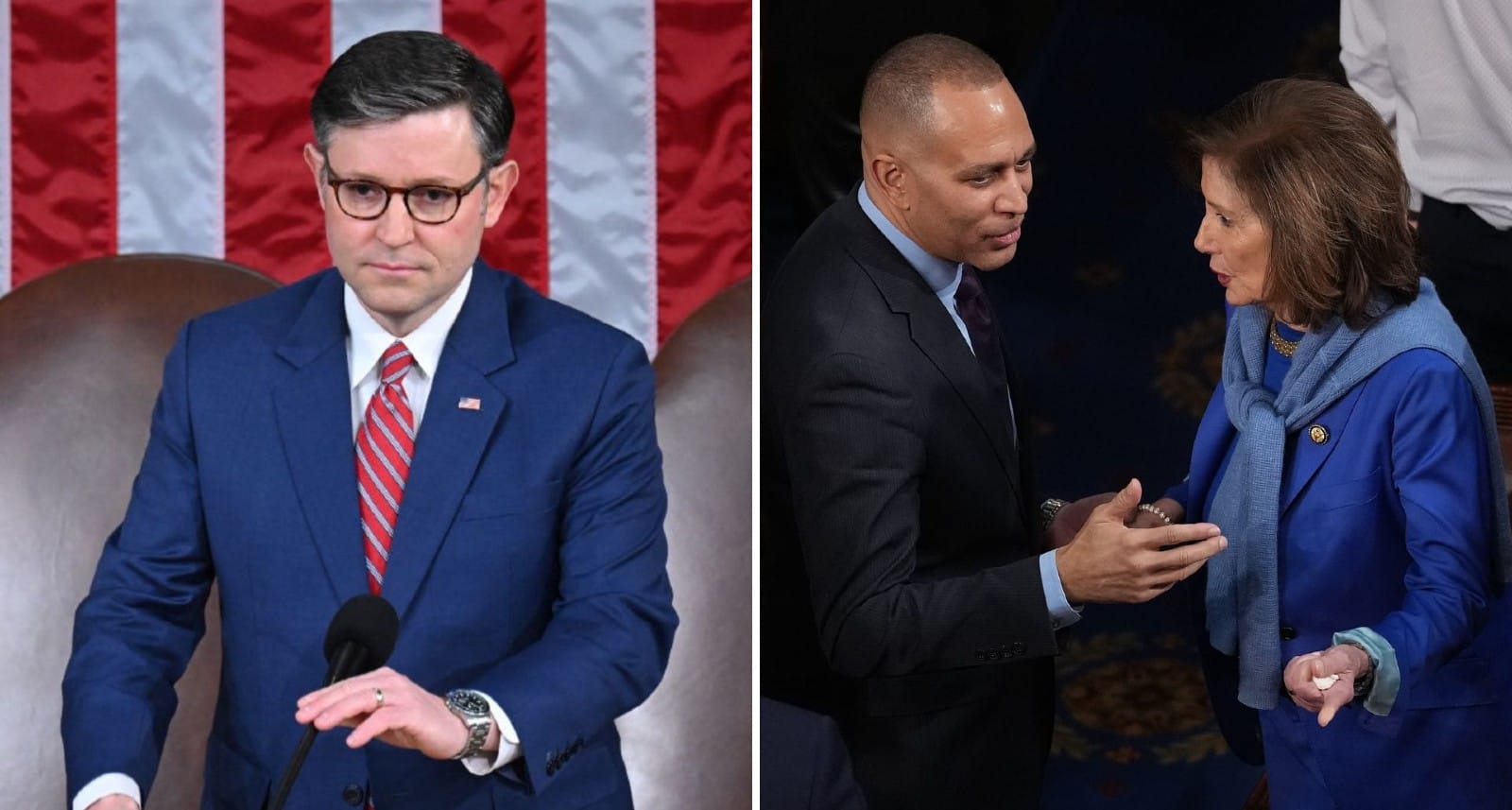
The amended 21st Century ROAD to Housing Act passed by a commanding 396-13 vote, sending the legislation to the Senate and giving Republicans a potential cost-of-living win heading into the midterm elections.
House leaders framed the bill as a direct response to the housing affordability crisis squeezing millions of Americans.
Speaker Mike Johnson argued the stakes could not be clearer.
“Increased housing costs and lack of quality supply are two issues that impact nearly every American family,” Johnson said.
He called the legislation a “strong bipartisan package that will put more American families into homes.”

House Majority Leader Steve Scalise made a similar argument.
“This is something that every American in this country is going to be happy to see, to have lower housing costs,” Scalise said.
At the center of the legislation is a provision aimed at institutional investors.
The House version preserves a ban on large corporate investors buying newly built single-family homes, a priority backed by the Trump administration.
House Financial Services Committee Chairman French Hill said the bill directly aligns with President Donald Trump’s housing agenda.
“This bill prioritizes American families by expanding homeownership, enhancing affordability, reducing burdensome regulations that drive up costs, and increasing housing supply nationwide,” Hill said.
“Importantly, it delivers on President Trump’s call to limit institutional investors from competing with the American people as they seek to purchase a home.”
A White House official confirmed support.
“The White House supports the House’s housing bill thanks to the changes that were made,” the official said.
The House, however, rejected a tougher Senate-backed provision that would have forced large institutional landlords already holding single-family rental homes to sell them off within seven years.
That proposal had support from progressives, including Sen. Elizabeth Warren, but House lawmakers opted for a narrower approach that targets future purchases without forcing divestitures that could disrupt renters.

Polling suggests the political move may be popular.
A recent survey found seven in ten voters support banning major investors owning more than 350 homes from buying additional residential properties.
Despite the overwhelming margin, conservative opposition did emerge.
The 13 Republican “no” votes came largely from Freedom Caucus-aligned members objecting not to the housing provisions, but to language dealing with central bank digital currencies.
Rep. Warren Davidson explained his opposition in stark terms.
“A temporary ban is the worst of both worlds: political cover today, a clear runway tomorrow,” Davidson wrote.
“Make it permanent, or take it out.”
The provision temporarily blocks a government-backed digital currency through 2030, but some conservatives fear that simply delays rather than prevents future implementation.
Now the bill moves to the Senate, where its path becomes more uncertain.
Because the House amended the Senate’s earlier version instead of passing it unchanged, lawmakers in the upper chamber must now decide whether to accept the changes, negotiate further or stall the package entirely.
The biggest flashpoint could be the removal of the forced-sale requirement for institutional landlords.
The bill also faces the Senate’s 60-vote threshold, always a major obstacle.
Still, the lopsided House vote gives the legislation strong momentum.
For Republicans, the politics are straightforward.
Housing affordability remains a top concern for voters dealing with high mortgage rates, tight inventory and growing competition from deep-pocketed corporate buyers, Fox News reported.
For Democrats, opposing a bill aimed at limiting investor competition in the housing market could also carry political risk.
Whether the Senate quickly advances the legislation or lets it bog down in procedural fights could determine whether Congress delivers a tangible housing win before voters head to the polls.
This article may contain commentary which reflects the author's opinion.
Governor Tim Walz calls on Ilhan Omar to RESIGN over explosive Minnesota Medicaid fraud scandal as support from fellow Democrats crumbles.vp - Celebrity.newsonline.biz
Governor Tim Walz has rocked the political establishment by demanding Representative Ilhan Omar step down from Congress.
The shock move comes amid a deepening scandal involving a massive Medicaid fraud scheme in Minnesota.
Omar’s support network is evaporating, with high-profile Democrats including Amy Klobuchar and John Fetterman distancing themselves from the embattled congresswoman.
By DAILY MAIL REPORTER
The political future of Representative Ilhan Omar hangs by a thread this evening after Minnesota Governor Tim Walz publicly demanded her resignation, claiming the “walls are closing in” regarding her alleged involvement in a sprawling Medicaid fraud case.
In a stunning break from party lines, the Governor laid out the ultimatum, suggesting it is time for the Minneapolis congresswoman to vacate her seat to focus entirely on mounting a legal defense.
“She should leave Congress and focus on her defense, especially if she’s innocent,” Walz told reporters, a comment that has sent shockwaves through the halls of Washington.
The demand marks a seismic shift for Omar, who once served as a cornerstone of the progressive wing of the Democratic Party. Now, she finds herself increasingly isolated as even her closest allies appear to be abandoning ship.

A CRUMBLING COALITION
The pressure on Omar has been mounting for weeks as investigators turn up the heat on the Medicaid fraud scandal, which has already led to a string of high-profile arrests and convictions in the state.
Walz’s intervention is merely the latest, and perhaps most damaging, blow to Omar’s standing. Her influence has cratered in recent months, with sources confirming that she has effectively lost the backing of the Minnesota Democrat Party apparatus.
The exodus of support is not limited to Minnesota. National figures have also begun to turn their backs on the third-term congresswoman.
Senator Amy Klobuchar, once a key political ally, has reportedly distanced herself from the embattled representative, signaling a refusal to stand by her as the scrutiny intensifies. Meanwhile, Pennsylvania Senator John Fetterman has issued a stinging public admonishment, signaling that the tolerance for Omar’s mounting controversies has officially reached its limit.
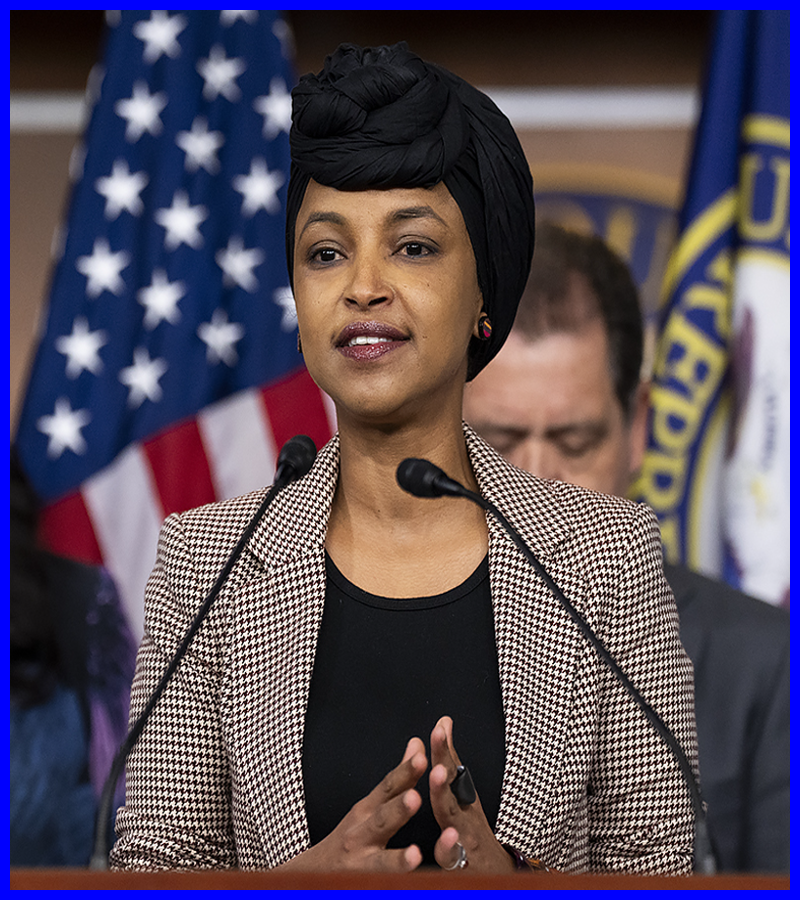
THE CASE AGAINST OMAR
While Omar has vehemently denied any wrongdoing, the optics of the situation have become increasingly untenable for her party.
The Medicaid fraud investigation, which has gripped Minnesota for months, involves allegations of millions of dollars in taxpayer funds being siphoned off through shell companies and falsified billing practices. Critics and political opponents have long alleged that Omar’s inner circle is deeply intertwined with the entities at the heart of the probe.
Walz’s comments today suggest that for the state’s leadership, the political liability of keeping Omar in office has finally outweighed the benefits of keeping the seat blue.
As the investigation enters a new, more aggressive phase, the big question remains: Will Omar choose to fight to the bitter end, or will she bow to the immense pressure from her own party to walk away?
For now, the Congresswoman is keeping her head down, but as the walls continue to close in, her days in the Capitol appear to be numbered.
Share
X Facebook Reddit LinkedIn WhatsApp Telegram Email